
Andy Burnham's Hospitality Promise That Vanished
800+ hospitality businesses just publicly reminded the Prime Minister of a tax pledge he made seven months ago. The silence tells its own story.

Focused on business and markets coverage across the UK, Europe, and the United States. His writing has been featured in Business Insider and USA TODAY.
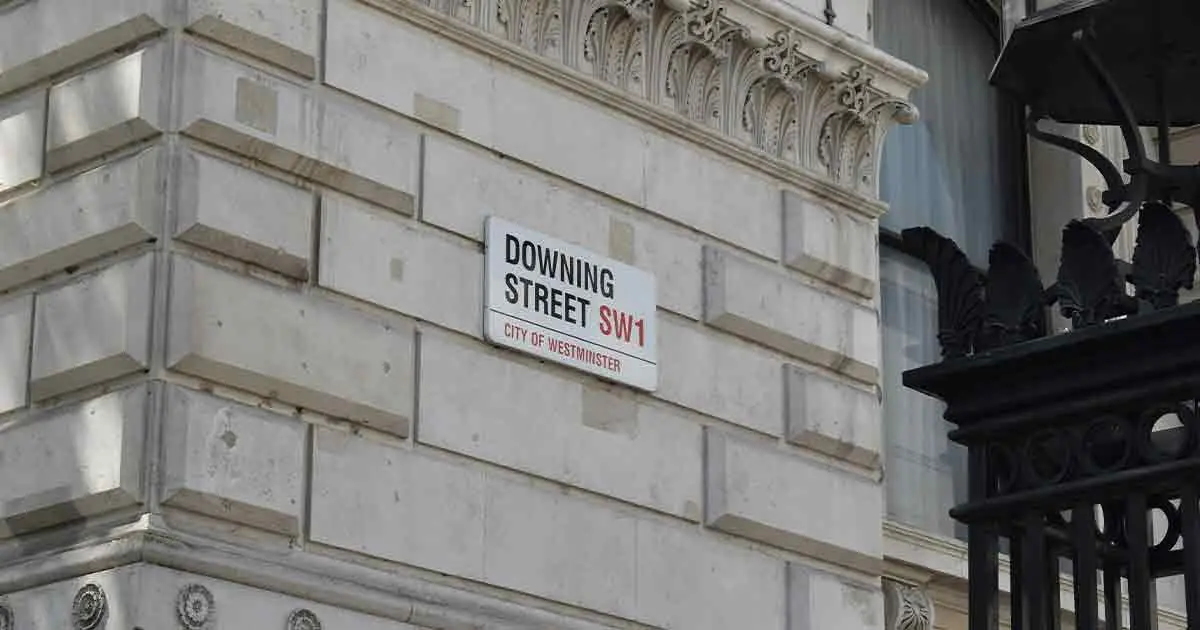
Over 800 hospitality businesses have formally reminded Prime Minister Andy Burnham of a commitment he made in February: cut hospitality VAT from 20% to 10%. Seven months later, the silence from Downing Street is deafening. The open letter, backed by Greene King, Fuller's, Wetherspoons, Pizza Express, Wagamama, Marriott, and celebrated chefs including Tom Kerridge and Heston Blumenthal, isn't just industry lobbying. It's a public record of a promise abandoned.
Burnham's words haven't changed since his mayoralty. He said then that hospitality businesses needed "a VAT rate more consistent with what you find in Europe." France, Spain, Italy all operate at 10%. Britain's at 20%. The math was simple then. It remains simple now. What's changed is the calculus of power.
The Pattern: Gesture Politics Over Substance
Weeks after taking office, Burnham announced a 20% cut in business rates for pubs and venues. It looked good. Looked decisive. But rates cuts are smaller-ticket than VAT reform. They also require less fiscal imagination. The VAT conversation forces a harder question: Does the government actually believe hospitality matters, or does it just like how the story plays when it's politically convenient?
The timing is telling. Burnham blindsided the hospitality industry days ago by allowing local authorities to impose unlimited tourist taxes. No warning. No consultation. Then came the open letter about VAT. The sequence matters. It suggests a government making it up as it goes, borrowing from local treasuries while the sector asks for predictability and relief at the national level.
Treasury officials have already pre-emptively signaled resistance, with Financial Secretary James Murray warning that a VAT cut would be "significant cost" requiring full funding. Technically accurate. Politically, it's a roadblock wearing the suit of fiscal responsibility.
The Economic Reality He's Ignoring
Small hospitality operators aren't demanding complexity. A 10% VAT rate would directly improve margins or allow pricing relief in a market where discretionary spending is contracting. During the pandemic, the temporary 5% rate was proven to work. The sector recovered faster. Consumer spending held up. Employment stabilized.
But that requires government to accept that sometimes immediate fiscal cost yields longer-term economic benefit. Burnham isn't signaling he's willing to make that argument to the Treasury.
What This Really Means
When a Prime Minister makes a specific, measurable promise on business tax, then goes silent upon taking power, it sends a message: hospitality matters less than managing the fiscal scorecard. Jobs, closures, survival don't factor as heavily as Treasury constraints.
Burnham will face a Budget decision next month. The hospitality lobby will watch. The sector will calculate whether this government actually stands by small business, or whether it just talks about it when opposition pressure is low.
For now, 800+ business leaders are holding him to his word. The government hasn't answered.