
The £72m Election: Why Regulatory Windows Are Slamming Shut
Two crypto billionaires front-loaded £72 million to Reform UK before donation caps tighten. It's a playbook every regulated business should recognize.

Focused on business and markets coverage across the UK, Europe, and the United States. His writing has been featured in Business Insider and USA TODAY.
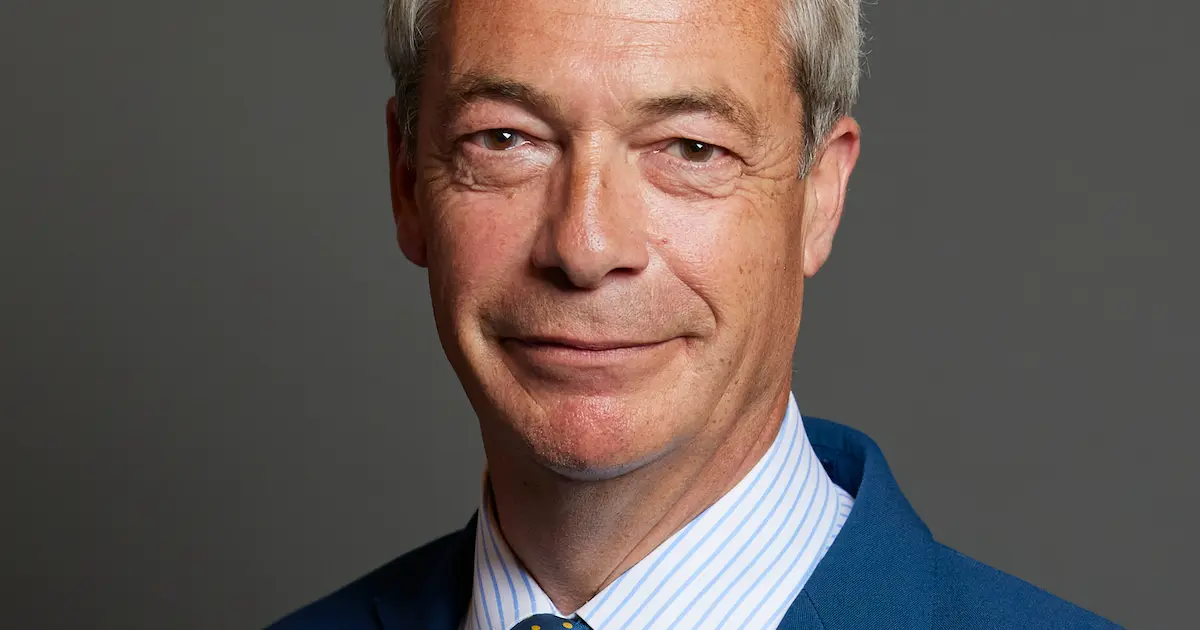
In just one day last week, two cryptocurrency billionaires handed Reform UK £72 million. It wasn't generosity. It was regulatory arbitrage. And it's a playbook every business in a regulated sector needs to understand.
The Move
Ben Delo donated £36m on Friday. Christopher Harborne matched it on Saturday. Both knew what was coming. Labour has already capped expat donations at £100k and is pushing restrictions through Parliament. Delo's strategy was explicit: donate the full amount now, upfront, before caps tighten further.
His own words: "I would give all the money up front in case the government tried to limit mega-donations in future."
That's not political passion. That's a business calculating a closing window.
Why This Matters
Delo moved because he read the regulatory trajectory. The government was already acting. Caps were already being introduced. The window to move maximum capital into influence was visibly shrinking. So he front-loaded everything.
This is now a template. Other donors will copy it. Other sectors will adapt it. If your industry faces regulatory tightening, this is what acceleration looks like: capital flooding in to establish position before the rules change.
What Businesses Should Do
If you're in crypto, fintech, pharma, or any regulated space, watch donation patterns and regulatory statements as leading indicators. When donors start front-loading capital into political movements, it means:
Regulatory caps or restrictions are coming, and likely soon. The window to establish influence is closing fast. Other players in your sector will move aggressively before it does.
The question isn't whether Reform will get stricter donation rules. It's whether other sectors will face the same pressure. And if they do, how fast will capital move to lock in position?
Delo showed the playbook. Others will follow it.