
The Gas Cliff That Shows Why Energy Sovereignty Is Breaking Down
South Africa has until 2028 before its sole external gas supply runs dry, and 75,000 jobs go with it. A preview of energy security when betting on one foreign source.

Focused on business and markets coverage across the UK, Europe, and the United States. His writing has been featured in Business Insider and USA TODAY.
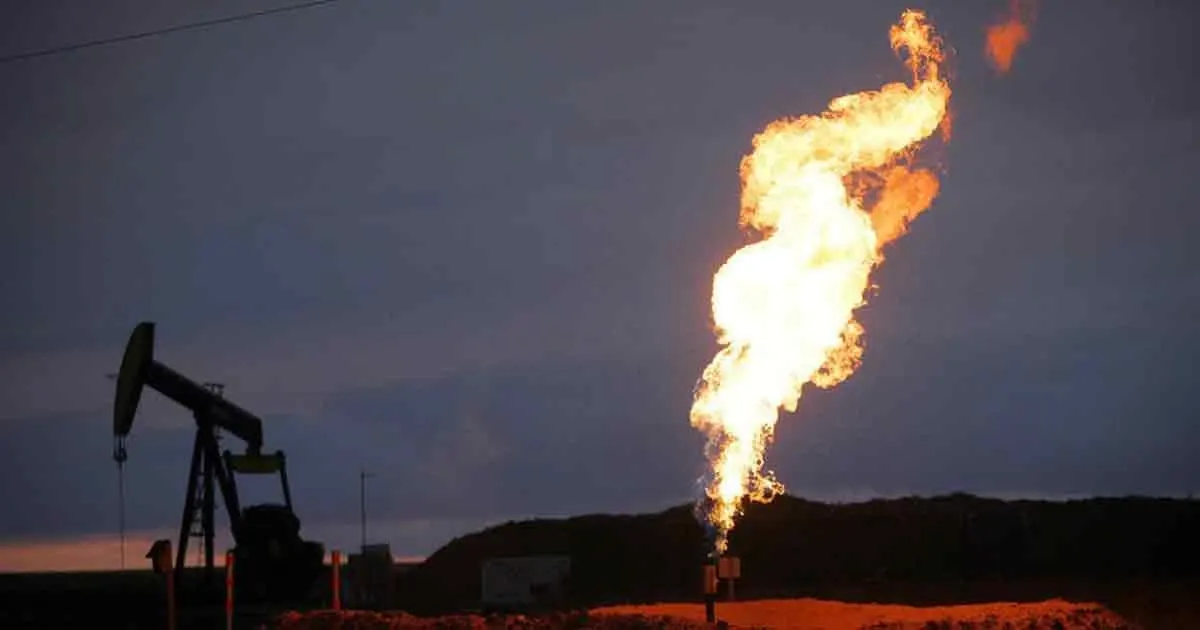
South Africa has until 2028 to avoid an industrial collapse. And it isn't moving fast enough.
Sasol has confirmed that gas from the Pande-Temane fields in Mozambique, extended through life-extension work to June 2027 and possibly June 2028, will then run dry. The ROMPCO pipeline that carries it into South Africa's industrial heartland will go with it. Sasol says it can bridge the gap with methane-rich gas from its Secunda operations between July 2028 and June 2030, but that's a partial patch, not a replacement, and it assumes the transition to liquefied natural gas imports is ready in time. Right now, it isn't.
This isn't a supply-chain hiccup. It's a preview of energy security in a fragmented world.
The Single Point of Failure
For two decades, South Africa's energy policy bet everything on Mozambique. One pipeline. One field. One supplier. When industrial manufacturers, fertilizer plants, chemical processors, and power generators run on a single external source, that's not secured energy. That's a hostage situation with a countdown clock.
The Industrial Gas Users' Association of Southern Africa (IGUA-SA) puts the number at 75,000 direct jobs at risk once the gas runs out, with a sector that contributes roughly R700 billion a year to the economy and carries a six-times employment multiplier. The Conversation's reporting on the crisis is blunt about the gap between industry warnings and government response: the fixes aren't coming fast enough to beat the clock.
Why Domestic Solutions Failed
The obvious fix was local. South Africa has offshore gas discoveries at Brulpadda and Luiperd. But in July 2024, TotalEnergies walked away from further exploration, citing pricing disputes and a lack of regulatory certainty. The supermajors aren't interested in frontier projects in emerging markets anymore, especially when climate-conscious capital and portfolio streamlining matter more than long-term bets on African infrastructure. The domestic option that might have bought time is gone.
Now South Africa is betting on rapid LNG import infrastructure instead. The Zululand Energy Terminal project in Richards Bay, a Vopak-Transnet joint venture, signed its terminal operator agreement in February 2025, with a final investment decision expected sometime in 2026. Construction, approval, and first cargo after that are still years out even in the best case, against a 2028 deadline that leaves little room for delay.
The Diesel Trap
The gas cliff isn't the only warning sign. Imported refined fuels now account for roughly 61% of South Africa's domestic supply, up from about 22% in 2019, as domestic refining capacity has collapsed. Bloomberg reports the country now runs on just two operating crude refineries with combined capacity of roughly 208,000 barrels a day, a fraction of what it once had, and refinery closures have already cost the country an estimated R76 billion in extra fuel imports since 2021.
So when industrial users can't get gas, they lean harder on diesel and refined imports bought on global markets exposed to geopolitical shocks well beyond South Africa's control. One infrastructure failure creates exposure to the next.
The Capital Implication
Companies don't wait for energy crises to hit before they leave. They leave when they see one coming.
Manufacturers that depend on continuous gas supply will either relocate, negotiate long-term LNG contracts at premium prices that crush margins, or shut down. Foreign investors looking at South Africa see a country that had years to build energy redundancy and is still racing the clock. That's not a supply problem. That's a governance problem, and governance problems get priced as permanent risk.
The rand depreciates. Energy-intensive exporters lose competitiveness. Capital flows toward regions with clearer infrastructure roadmaps. The industrial base that keeps South Africa's economy running thins out before the cliff even arrives.
The Real Signal
South Africa's gas cliff isn't an outlier. It's a symptom of energy security fragmenting globally.
When a country relies on a single external source for critical infrastructure, that's not secured energy. It's borrowed time. When the domestic alternative requires supermajor investment and climate-conscious capital won't touch it, the window closes long before the deadline does.
The question for other economies: what's your gas cliff? What single source is your industrial base betting on? Because the time to diversify isn't when the deadline is close. It's years before.